
Winter walks hold a different kind of magic.
The trees are bare. The air feels sharper. The paths are quieter. There is space to think, breathe and simply be. Even on grey damp days, winter hiking has a grounding quality that feels almost medicinal.
But winter asks for a little more care.
Cold, mud and shorter daylight hours mean preparation becomes even more important. Not to overcomplicate the walk, but to keep it safe, warm and enjoyable.

Here are my winter hiking essentials to support body and spirit through the colder months.
Phone
Usually I’d recommend disconnecting from technology when you’re out in nature – however, when you’re hiking, your phone is more than something to check messages on. On a winter hike it becomes your map, your emergency contact, your torch and your reassurance if you need it.
It is also your camera, ready to capture frost on hedgerows, dramatic skies over the coast or that quiet moment of winter light breaking through the trees.
But do try to stay off social media during your hike so that you can be fully present.
OS Maps App
Winter paths can look different. Frost hides trail edges. Fallen leaves disguise direction. Fog rolls in unexpectedly.
The OS Maps app is incredibly helpful for checking routes, elevation and footpaths. Knowing exactly where you are allows you to relax rather than worry.
Confidence in your navigation keeps your nervous system calm which is exactly what winter walking should encourage.
Battery Pack
Cold weather drains phone batteries quickly. Much faster than in summer.
Your phone is your map, your emergency contact and your light if the day fades earlier than expected. A lightweight battery pack offers reassurance.
Winter daylight is shorter. Preparation brings peace of mind.
Compeed
Blisters in winter are worse. Wet socks and damp boots can quickly turn a small rub into a painful distraction.
Don’t scrimp on blister plasters. Buy Compeed rather than generic, the sticky is much more reliable and if you pop them on the moment you start feeling you start to feel your boots rub, they will allow you to keep on walking comfortably.
Dry comfortable feet change everything.
Properly Broken In Waterproof Boots
Winter is not the season to test new footwear.
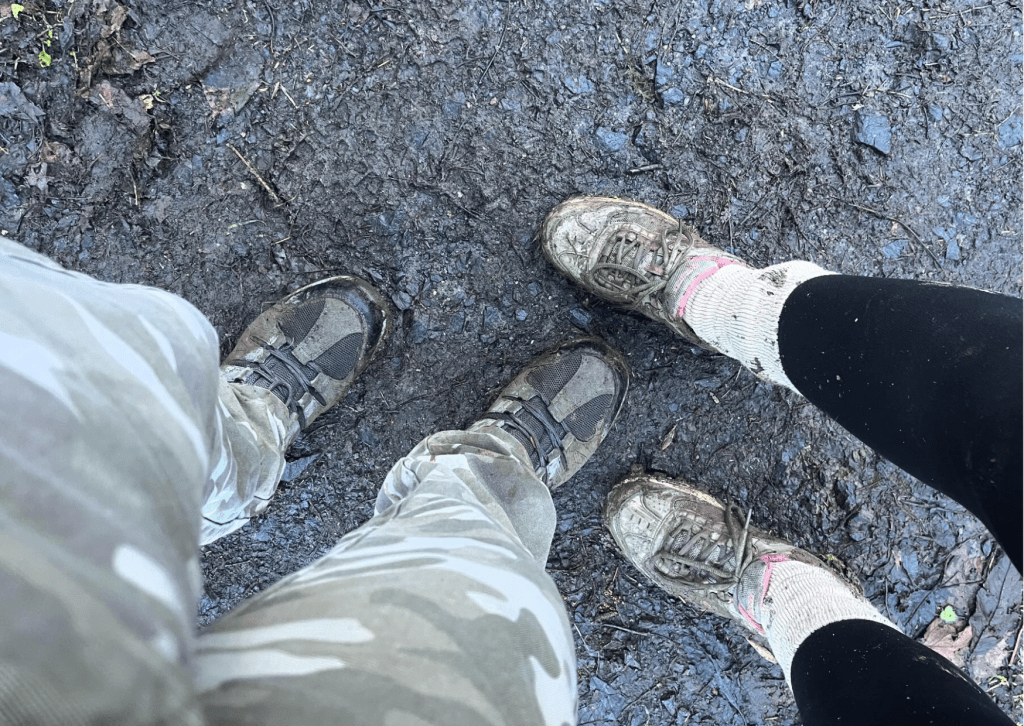
Your boots should already be broken in and ideally waterproof. Mud, puddles and unexpected boggy patches are part of the adventure.
Cold wet feet drain your energy quickly. Warm supported feet allow you to stay present and enjoy the landscape.
Pair your boots with good thick socks and always pack a spare pair if you’re heading out for longer.
I’ve tried and tested many walking shoes/boots over the years from expensive to budget and always vegan. Personally, I prefer shoes which may not offer the ankle support that you get from boots, but I always feel boots rub the backs of my legs. Maybe it’s the way I walk… At the moment, I’m wearing Gelert shoes which have been comfortable from the off, and at the low price, I don’t mind replacing them frequently.
A Packed Lunch Or Emergency Sandwich
Winter air burns energy faster than we realise. The body works harder to stay warm.
Even if you’re planning a shorter walk, pack food. It doesn’t necessarily have to be a full blown picnic, just a thermos of soup will feel like pure luxury halfway through a chilly route.
At the very least, pack an emergency sandwich and a flask of tea. Having something warm to sip while overlooking a winter view feels grounding and deeply nourishing.
A Roll Of Poo Bags – Practical Magic
A small roll of dog poo bags is one of the simplest but most useful things you can carry – even if you don’t have a dog.
Why? I hear you ask…
Keeping your phone dry in sudden rain
Storing muddy gloves
Seasonal foraging
Collecting treasure
Taking rubbish home
They weigh almost nothing and solve so many little problems.
Layering And Warmth
Winter hiking is all about layers.
Start slightly cool so you don’t overheat too quickly. Add layers when you stop. Always carry a warm jumper or insulated jacket even if the forecast looks mild.
Hat, gloves and a scarf can transform a cold windy stretch into something manageable.
Staying warm is not about toughness. It is about respecting the season.
Waterproofs
Make sure you have waterproofs in your bag. Winter weather is unpredictable and a clear sky can shift to sideways rain before you’ve reached the next gate. A good waterproof jacket is not optional, it is essential. Look for something properly breathable so you don’t overheat underneath and always pack waterproof trousers if you’re heading out for longer routes. Staying dry is not about comfort alone. Once you’re wet the cold settles in quickly and drains your energy. A lightweight waterproof layer in your bag means you can walk through rain showers with ease rather than cutting your hike short. There is something quietly empowering about being prepared for the elements instead of battling them.
Little Extras
Beyond the practical essentials, there are always a few extras in my bag.
A few small crystals for grounding or protection.
A small nature guide book for identifying trees, plants, birds or wildlife along the way.
My dad’s classic Swiss Army knife for those tiny unexpected moments when I need a blade, scissors, bottle opener or nail file.
A small bag of bird seed – because I like to try and befriend the crows…
Don’t wait for the Spring
Cold, sunny hikes are beautiful and with fewer people on the paths, the landscape feels more intimate. It’s just you and nature.


 Stardust Holistics