
Essential Oils and Their Benefits

What Are Essential Oils?

Essential oils are concentrated plant extracts that capture the natural aroma and beneficial properties of flowers, leaves, seeds, bark, or roots. They have been used for centuries in holistic practices, aromatherapy, and self-care rituals. Essential oils are not only valued for their pleasant scents but also for their potential effects on emotional, mental, and physical wellbeing.
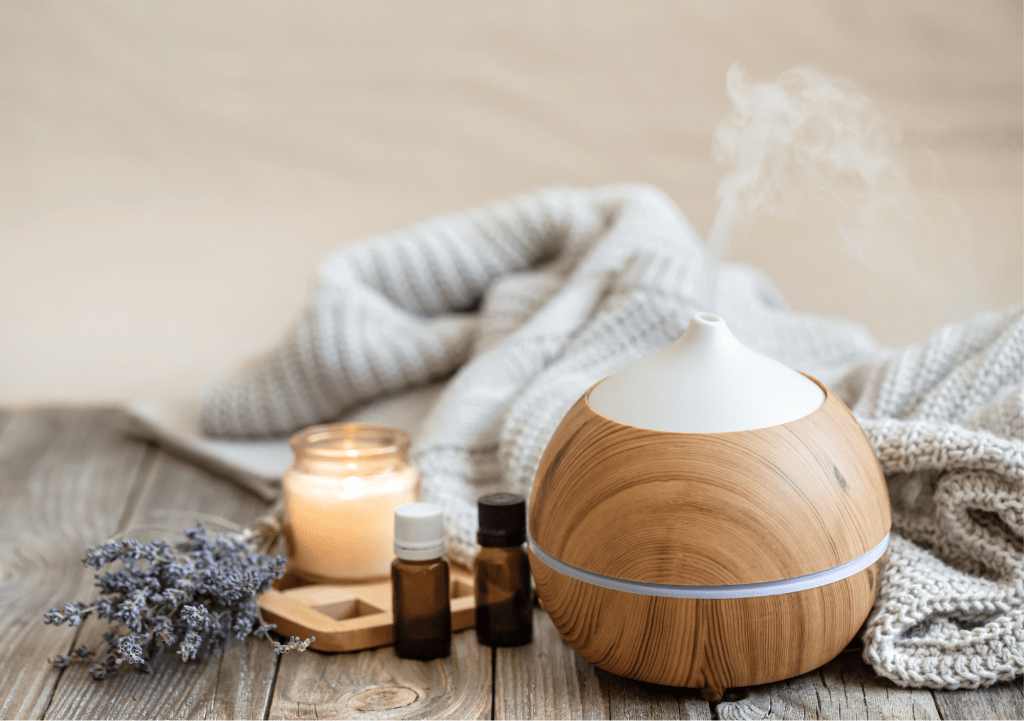
Incorporating essential oils into your daily routine can enhance relaxation, support mood, and promote balance in your mind and body. Understanding what each oil does allows you to choose the right one for your needs.

How Essential Oils Work

Essential oils interact with the body primarily through the sense of smell and skin absorption. When inhaled, their molecules stimulate the olfactory system and influence the limbic system in the brain, which is involved in emotions, memory, and stress regulation. When applied topically (usually diluted with a carrier oil), essential oils can be absorbed through the skin and may support circulation, skin health, or localized relaxation.

It is important to use essential oils safely: always dilute them when applying to skin, avoid ingestion unless under professional guidance, and be aware of any allergies or sensitivities.

Common Essential Oils and Their Wellbeing Benefits

Lavender

Lavender is one of the most popular essential oils and is widely used for relaxation and stress relief. It can help reduce anxiety, promote calm sleep, and support emotional balance. Many people diffuse lavender in their bedroom before sleep or add a few drops to a warm bath for soothing effects.

Peppermint

Peppermint oil has a refreshing and invigorating scent. It is often used to boost focus, improve mental clarity, and reduce feelings of fatigue. Topically, diluted peppermint oil may support relief from muscle tension or headaches.

Eucalyptus

Eucalyptus is known for its respiratory support. Its cooling and refreshing properties can help clear nasal passages, ease breathing, and support overall respiratory wellbeing. It is commonly used in diffusers or in steam inhalation.

Lemon

Lemon essential oil has uplifting and energizing properties. It is believed to enhance mood, promote mental clarity, and support digestion when used aromatically or in diluted topical blends. Its fresh citrus scent makes it a popular choice for daytime use.

Frankincense

Frankincense is often associated with meditation and spiritual practices. It may help reduce stress, support emotional balance, and encourage a sense of grounding. It can be applied topically in diluted blends or inhaled for calm focus during meditation.

Chamomile

Chamomile essential oil is valued for its calming and soothing effects. It may help reduce irritability, support restful sleep and ease tension. Chamomile blends are often used in bedtime routines or gentle massage oils.

Rosemary

Rosemary is an invigorating oil that may boost memory, mental clarity and concentration. It is often used during work or study sessions and can also support healthy circulation when applied topically in diluted forms.

Ways to Use Essential Oils

  • Diffusion: Add a few drops to a diffuser to disperse the aroma throughout a room.
  • Topical application: Mix with a carrier oil such as jojoba, almond or coconut oil and apply to skin, pulse points or areas of tension.
  • Baths: Add diluted essential oils to a warm bath to create a relaxing and aromatic experience.
  • Inhalation: Place a few drops on a tissue or cotton ball and inhale directly for quick relief or focus.
  • Household use: Some essential oils, like lemon or tea tree, can be added to cleaning solutions for a natural scent and antimicrobial support.

Essential oils are versatile tools for enhancing wellbeing. Their natural aromas can support relaxation, focus, energy and emotional balance. While they are not a replacement for medical care, they can complement self-care routines, meditation and stress management practices.

Exploring essential oils allows you to personalize your wellness routine. By understanding the benefits of different oils and using them safely, you can create a calming, energizing or balancing environment that supports both mind and body.
Essential Oil Blends for Wellbeing

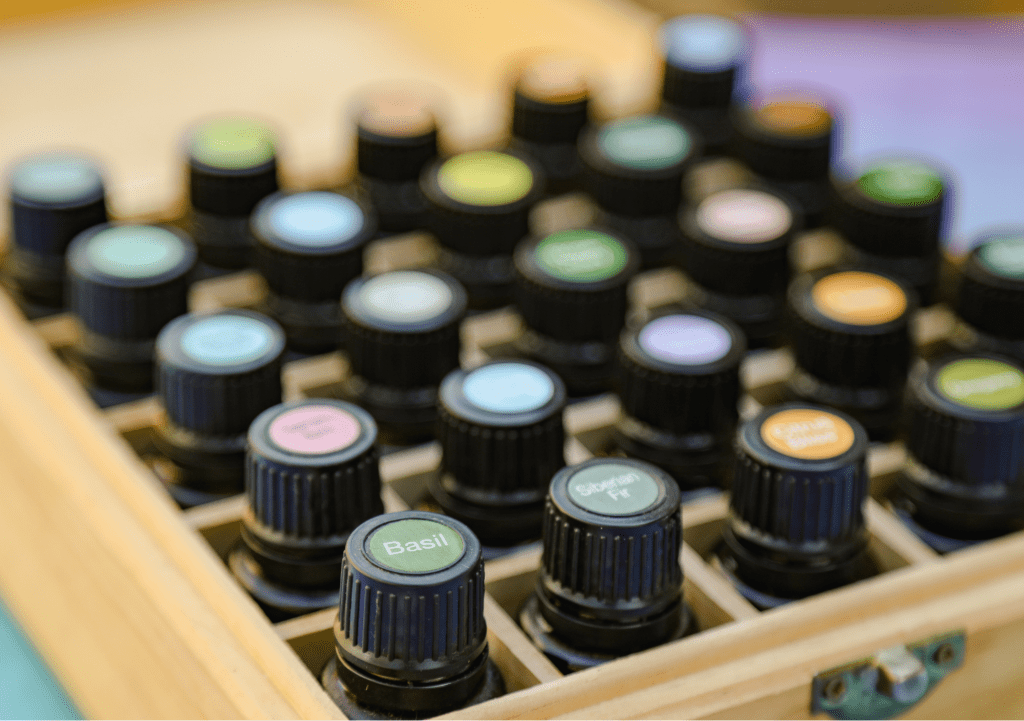
Essential oils can be combined into blends to target specific needs such as stress relief, better sleep, increased energy, or improved focus. Blending oils allows their aromas and properties to work together for enhanced benefits. Always dilute essential oils with a carrier oil before applying to skin. A general guideline is 3–5 drops of essential oil per teaspoon of carrier oil.

Here are a few of my favourite blends.

Stress Relief Blend

Ingredients:

  • 3 drops lavender
  • 2 drops chamomile
  • 1 drop frankincense

How to use:

  • Diffuse in your bedroom or living space during the day or before sleep
  • Add to a carrier oil and massage into the shoulders, neck or temples
  • Place a few drops on a tissue and inhale deeply when feeling overwhelmed

This blend promotes calm, reduces anxiety and supports emotional balance.

Sleep Support Blend

Ingredients:

  • 3 drops lavender
  • 2 drops chamomile
  • 1 drop cedarwood (optional for grounding)

How to use:

  • Diffuse in the bedroom 30 minutes before bedtime
  • Add to a warm bath for a soothing pre-sleep ritual
  • Apply diluted to the bottoms of feet or wrists

This blend helps relax the mind and body, making it easier to fall asleep and stay asleep.

Energy and Uplift Blend

Ingredients:

  • 3 drops lemon
  • 2 drops peppermint
  • 1 drop rosemary

How to use:

  • Diffuse in your workspace or morning routine to boost mood and alertness
  • Add to a carrier oil and apply to pulse points for a quick pick-me-up
  • Inhale directly from a tissue or cotton ball for an instant energy boost

This blend promotes motivation, positivity, and mental clarity.

Focus and Concentration Blend

Ingredients:

  • 2 drops rosemary
  • 2 drops peppermint
  • 1 drop lemon

How to use:

  • Diffuse while studying or working to enhance mental clarity and concentration
  • Apply a diluted blend to temples, wrists or the back of the neck
  • Inhale deeply during brainstorming or planning sessions

This blend supports focus, memory retention, and clear thinking.

Grounding and Balance Blend

Ingredients:

  • 2 drops frankincense
  • 2 drops cedarwood
  • 1 drop lavender

How to use:

  • Diffuse during meditation or yoga practice to create a calming and grounding atmosphere
  • Apply diluted to pulse points or the back of the neck during stressful moments
  • Add to a carrier oil and massage into feet or hands to restore balance

This blend encourages emotional stability, mindfulness, and a sense of centeredness.

Final Tips

  • Store blends in dark glass bottles to preserve potency
  • Label your blends with the date and ingredients
  • Experiment with ratios to find the aroma and effect that works best for you
  • Always perform a patch test before applying a new blend to skin

Using essential oil blends for wellbeing allows you to personalize your self-care routine and support your mind, body and emotional health naturally. Over time you can create a collection of blends for different purposes such as relaxation, energy, focus, or meditation.

By incorporating these blends into daily rituals, you can cultivate balance, clarity and positivity throughout your day.
A Gentle Pause: Tea Rituals and the Art of Taking Time

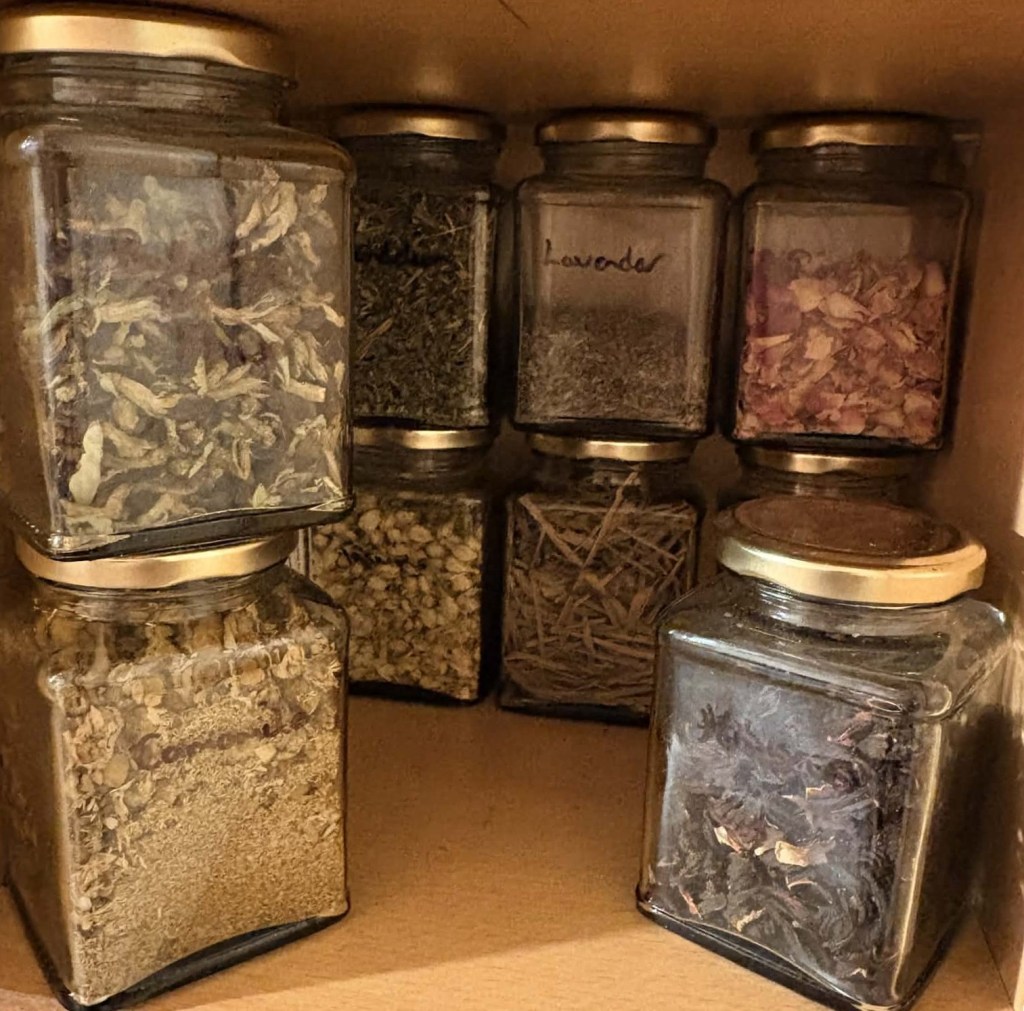
Recently I sorted out my tea cupboard, my jars of herbs and flowers, checking their scent and carefully labelling each one rather than relying on my memory as to what was in which. There was something quietly satisfying about seeing chamomile, lavender and rose neatly named and lined up on the shelf and as I worked, I began to think about how often I rush the small rituals that are meant to steady me. The simple act of putting things in order felt like a reminder that care takes time. It was in that moment, surrounded by dried petals and leaves, that I found myself reflecting on the deeper comfort of a daily cup of tea.

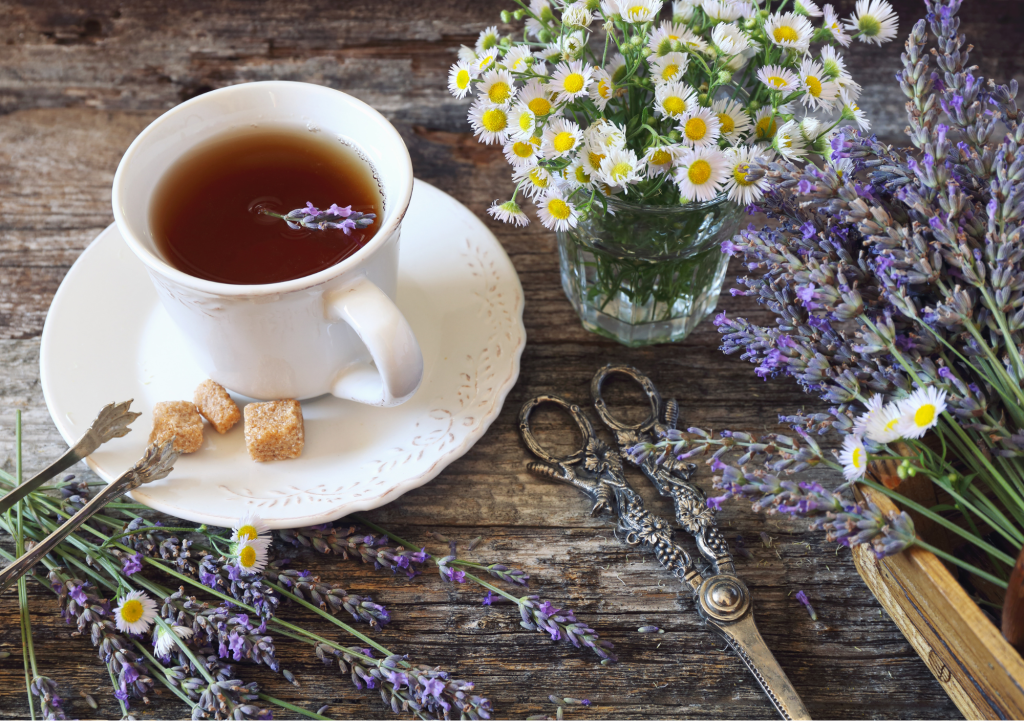
In a world that rarely stops, choosing to make a cup of tea is a gentle way of stepping out of the rush. A tea ritual is not only about drinking something warm. It is about choosing to pause. It is about giving ordinary moments the dignity of attention. When we take time to prepare and enjoy tea with care, we create space for wellbeing to unfold.

Across cultures, tea has long been linked with reflection and connection. In Japan the traditional tea ceremony is an art form rooted in harmony, respect, purity and tranquillity. The quiet choreography of preparing matcha invites both host and guest to be fully present. In China centuries old tea traditions honour the flavour of the leaves and the rhythm of shared conversation. In United Kingdom afternoon tea has become a social ritual that encourages people to gather, talk and rest in the middle of the day. Though the details differ, the intention is similar. Tea becomes a gentle anchor in time.

The blends we choose can also shape the quality of our pause. A cup of Earl Grey with its bright notes of bergamot can feel clarifying in the morning. English Breakfast offers strength and comfort when focus is needed. Green tea brings a grassy freshness that suits quiet reflection. Chamomile softens the edges of a long day and peppermint feels cooling and restorative. Spiced chai, fragrant with cinnamon and cardamom, can turn an ordinary afternoon into something warming and indulgent. Each blend carries its own character, inviting a slightly different mood.

There is no single right way to prepare your tea. A simple tea bag can be an act of ease, especially on a busy morning when time feels tight. Placing it in your favourite cup and watching the water change colour can still offer a moment of quiet focus. For those who enjoy a slower approach, blending your own loose leaves with dried herbs and flowers adds another layer of intention. You might combine black tea with rose petals, green tea with jasmine, or create a calming mix of chamomile, lavender and lemon balm. Measuring, mixing and storing your blend turns the ritual into something creative and personal. Whether you reach for a ready made bag or craft your own infusion, what matters most is the care and attention you bring to the cup.

Wellbeing often begins with awareness. When you boil the kettle and listen to the rising hum, you are invited to notice sound. When you measure the leaves and watch them unfurl, you practise patience. When you hold a warm cup in both hands, you feel texture and heat. These small sensory experiences draw the mind away from racing thoughts and back into the body. They remind us that this moment is enough.

Taking time for tea also offers a boundary. It is a defined pause in a day that might otherwise blur into tasks and obligations. You might decide that your tea ritual lasts ten minutes. During that time you do not scroll, answer messages or plan ahead. You simply sit. The world continues without your input. This can feel uncomfortable at first, yet it is deeply restorative. Rest is not laziness. It is maintenance for the mind and nervous system.

There is also something powerful about repetition. A daily tea ritual builds a rhythm that the body learns to trust. Just as the scent of lavender can signal sleep, the aroma of your chosen tea can signal calm. Over time the ritual itself becomes a cue for slowing down. Even on difficult days the familiar sequence of kettle, cup and first sip can steady you.

Tea rituals can be solitary or shared. Alone, they offer a private sanctuary. With others, they create a container for conversation. When we sit across from someone with cups between us, the pace naturally softens. There is time to listen fully. There is time to respond with care. In this way tea supports not only individual wellbeing but collective wellbeing.

You do not need rare leaves or special equipment to begin. Choose a tea you enjoy. Select a cup that feels good in your hands. Clear a small space on a table. As you prepare your drink, move a little more slowly than usual. Breathe in the steam. Notice the colour of the liquid. Take the first sip without distraction. Allow yourself to be exactly where you are.

In giving a few unhurried minutes to tea, you practise giving time to yourself. You affirm that your inner life matters as much as your output. You learn that nourishment can be simple and that wellbeing can be woven through the most ordinary acts. The ritual does not remove the demands of modern life, yet it changes how you meet them. With a warm cup in hand and a steady breath, you return to your day more centred, more present and more able to move at a human pace.

Listening to the Rain: Nature’s Healing Sound Bath

Another post about the rain – because let’s face it, there has been a lot of it recently and there’s no sign of it stopping any time soon…

There’s something quietly magical about rain. Its steady rhythm, the gentle patter against windows, the soft swish of puddles underfoot — it’s a sound that invites stillness, reflection, and deep presence. In the busy, noisy pace of life, rain reminds us that nature itself is a healer, offering its own frequencies to soothe the mind, body, and spirit.

Winter in the UK can feel heavy — short days, endless drizzle, and the kind of quiet that sometimes feels like being trapped indoors. But the rain is not just weather, it’s a natural sound bath, a symphony of subtle vibrations that can calm, balance and restore.

I personally love nothing more than being curled up in bed, listening to the rain on the sky light windows,


The Healing Frequencies of Water

Water has a unique way of resonating with us. Its sound carries frequencies that naturally influence our nervous system, encouraging relaxation and presence. Think of it as the earth’s own gentle energy medicine.

  • The steady rhythm of rainfall can slow the breath and quiet the mind.
  • The varying textures of drops — soft mist, tapping rooftops, splashing puddles — create a subtle meditation for the senses.
  • Flowing water, streams, and rivers carry a continuous hum that many traditions associate with life force energy.

Across cultures, humans have always recognised water as sacred. From river chants in India, to temple water rituals in Japan, to European folk rain ceremonies, water’s sound has been used to restore energy, cleanse, and harmonise. Listening deeply to water is, in essence, listening to life itself.


Rain as a Natural Sound Bath

A sound bath is not just bowls, chimes, or frequencies — it can be found in the world around us. Rain becomes a natural, ever-present instrument:

  • Close your eyes and tune into the layers of sound — the distant drizzle, the heavy drops, the gentle trickle along gutters.
  • Notice how your body responds — does your chest soften? Your jaw unclench? Your shoulders drop?
  • Let your mind follow the rhythm without controlling it. Each drop is a note, a tiny vibration that moves through you.

This practice is not about achieving anything. It’s about receiving, letting the rain’s frequencies support your nervous system and open space for rest.


How to Bring the Rain Sound Bath Indoors

If the weather is too harsh, you can still enjoy water’s healing frequencies at home:

  • Play recordings of rainfall or flowing streams while you rest or meditate.
  • Use a rain stick to mimic the layers and richness of natural water sounds.
  • Close your eyes and visualise the rain washing over you, clearing stagnant energy and inviting calm.

Even five minutes of mindful listening can leave you feeling lighter, calmer and more connected to yourself.


When we slow down to listen — to the patter, the rhythm, the frequencies — we tap into a natural, gentle energy medicine. This is the essence of sound alchemy: noticing the vibrations all around you and letting them support your well-being, quietly and deeply.

So next time the sky darkens and the drizzle begins, pause. Listen. Breathe. Let the rain wash over your energy and invite stillness.

Rainy Day Rituals: Mindfulness & Self-Care for February

It’s been non-stop rain here in the UK lately, hasn’t it? All grey skies, damp air and endless drizzle? Maybe I’m feeling it more-so since I moved to the North-East but the feeling of being a trapped indoors can start to weigh on the spirit. But what if, instead of resisting this season, we leaned into it? What if the rain, the quiet, and the cocooning of winter could become a gentle invitation to pause, to breathe, and to reconnect with ourselves?

Winter is naturally a season of reflection and stillness. It’s a time for slowing down, tending to your inner life, and noticing the small, often-overlooked joys around you. Here’s how to embrace the rainy season and turn your home into a cosy sanctuary for mindfulness and presence.


Create Your February Sanctuary

Your home can be more than a shelter from the storm — it can be a sacred space that nourishes your mind, body, and soul. Here are some gentle ways to transform your space:

  • Soft Lighting: Switch harsh overhead lights for candles, fairy lights, or warm lamps. The flicker of light in the rainy season feels grounding and calming.
  • Textured Comfort: Layer throws, cushions and soft rugs to create cosy corners where you can curl up with a book and a cup of tea.
  • Scent & Aroma: Use essential oils like lavender, cedarwood or sweet orange to create an aromatic cocoon. Diffusers or simple cotton pads infused with oils can transform your space instantly.
  • Natural Elements: Bring the outside in — a branch from a walk, a small pot of winter greenery or even a bowl of smooth stones can remind you of the rhythm of nature.

Practicing Winter Mindfulness

Mindfulness isn’t about forcing calm; it’s about noticing what’s already here. Even the rain can become a meditation if we allow ourselves to see it with fresh eyes.

  • Notice Small Joys: A steaming mug of tea, the scent of damp earth, the quiet rhythm of raindrops on your window. These small moments anchor us in the present.
  • Grounding Meditation: Sit or lie comfortably. Close your eyes and take deep breaths, imagining roots growing from your feet into the earth. Feel the stability beneath you, the solid presence that the rainy season is offering.
  • Gentle Movement: Stretch or sway to your breath. Feel the body waking gently, each movement a little prayer of presence. Even five minutes can shift your energy.
  • Sensory Awareness: Listen to the rain, notice the texture of your blanket, or the warmth of a cup in your hands. Engage fully with the senses — this is your body’s way of returning to now.

Embrace the Rainy Season

The rain doesn’t need to be an obstacle. You can open a window, feel the cool mist on your skin, and let it remind you of life’s rhythms — the ebb and flow, the pause before growth. Winter teaches patience, reflection, and rest. By creating your sanctuary and embracing mindfulness, you transform what could feel like confinement into a season of inner richness.

  • Take a slow walk with a waterproof coat, noticing the sounds, smells, and textures of winter.
  • Brew herbal tea and sit with it in stillness, letting your mind rest between sips.
  • Light a candle each evening and dedicate a moment to yourself — no screens, no distractions, just presence.

Winter is often misunderstood as a time to endure. But in truth, it is a sacred pause — a chance to realign with yourself, notice the subtle beauty in small things and nurture your body, mind and soul. Let the rain wash over the stress and hurry of everyday life and allow the quiet days to become a gentle invitation to mindfulness.

Your February sanctuary is waiting. Step inside, breathe deeply and let stillness become your companion.

“The way I see it, if you want the rainbow, you gotta put up with the rain.” — Dolly Parton