The Root Chakra: Stability, Safety & the Energy of Grounding

The root chakra, known as Muladhara, is the foundation of the entire chakra system. Located at the base of the spine, it is deeply connected to our sense of safety, stability and belonging in the physical world.

This chakra governs our most basic human needs — security, shelter, nourishment and our connection to the earth. When the root chakra is balanced, we feel grounded, supported and able to move through life with confidence and trust.

When it is blocked or out of balance, we may experience fear, anxiety, instability or a sense of being disconnected from ourselves and the world around us.


Understanding the Root Chakra

Location: Base of the spine
Colour: Red
Element: Earth
Associated organs: Legs, feet, bones, colon, adrenal glands
Emotional themes: Safety, security, stability, survival, grounding, belonging

Muladhara translates to “root support” or “base foundation”. It represents the energetic roots that anchor us to the earth and create a sense of stability in both body and mind.

A strong root chakra helps us feel present, safe and capable of meeting life’s challenges. It forms the energetic base upon which all other chakras build.


Signs of a Balanced Root Chakra

When the root chakra is in harmony, you may experience:

A strong sense of safety and stability
Feeling grounded and present in your body
Trust in life and your ability to handle challenges
Healthy routines and structure
Confidence in meeting basic needs and responsibilities

Life may still bring uncertainty, but you feel steady enough to navigate it without being overwhelmed.


Signs of a Blocked or Imbalanced Root Chakra

When the root chakra is out of balance, it often shows up through fear and insecurity. This can appear as:

Persistent anxiety or worry about the future
Feeling ungrounded, scattered or disconnected
Financial stress or fear of instability
Difficulty relaxing or feeling safe
Overworking or constant survival mode

Physically, root chakra imbalance may show up as lower back discomfort, tension in the legs, fatigue or digestive issues linked to stress.


Emotional Healing & the Root Chakra

The root chakra stores many of our earliest emotional experiences around safety, support and belonging. When these needs were uncertain or disrupted, the body may continue to hold patterns of fear or hypervigilance.

Healing the root chakra is about gently reminding the nervous system that it is safe to settle. Practices such as grounding meditation, reiki, breathwork, spending time in nature and body-based movement can help restore a sense of stability.

When the body feels supported, the mind begins to relax and trust returns naturally.


Crystals for the Root Chakra

Crystals can help stabilise and strengthen the root chakra by supporting grounding and energetic protection. Some powerful root chakra stones include:

Black Tourmaline – Protection and energetic grounding
Hematite – Stability and mental clarity
Red Jasper – Strength, endurance and grounding
Smoky Quartz – Releasing fear and emotional heaviness
Garnet – Vitality, courage and life force energy

Working with these stones during meditation, energy healing sessions or daily grounding rituals can help reconnect you with a sense of stability and presence.


Sound Healing & the Root Chakra

The root chakra resonates with the note C and responds well to deep, grounding sounds. Instruments such as crystal singing bowls, drums, gongs and low-frequency sound vibrations can help stabilise the body’s energy.

These vibrations support the nervous system by encouraging the body to shift out of stress responses and into a calmer, more regulated state.

Sound healing can be especially helpful when feelings of anxiety or disconnection arise, bringing the body back into a sense of safety and presence.


The Root Chakra & Feeling Safe in the World

At its core, the root chakra is about trust — trust that you belong here and that life can support you.

When this chakra is balanced, you feel more able to create healthy boundaries, build stable foundations and move forward with confidence. Rather than living in constant survival mode, you begin to experience a deeper sense of grounding and calm.

Safety is not only external. It is also an internal experience of feeling supported within your own body.


Strengthening the Root Chakra Gently

Balancing the root chakra often begins with simple grounding practices. Walking in nature, mindful breathing, yoga, reiki, sound baths and working with grounding crystals can all help stabilise the energy of Muladhara.

Creating consistent routines, nourishing the body and allowing moments of stillness can also strengthen this chakra.

The root chakra reminds us that before we can grow, explore or transform, we must first feel safe enough to stand firmly where we are.

May you feel supported by the earth beneath you, grounded in your body and secure in your place in the world.

A Gentle Pause: Tea Rituals and the Art of Taking Time

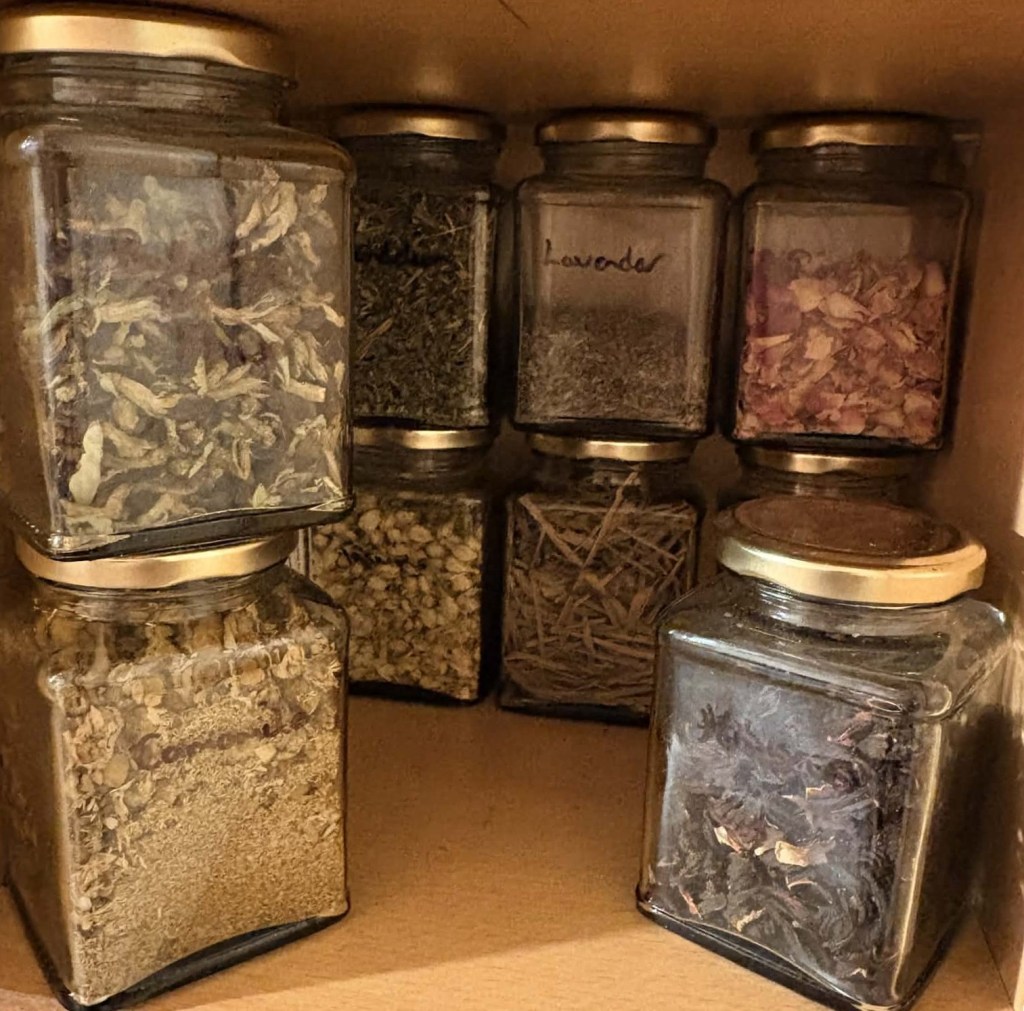
Recently I sorted out my tea cupboard, my jars of herbs and flowers, checking their scent and carefully labelling each one rather than relying on my memory as to what was in which. There was something quietly satisfying about seeing chamomile, lavender and rose neatly named and lined up on the shelf and as I worked, I began to think about how often I rush the small rituals that are meant to steady me. The simple act of putting things in order felt like a reminder that care takes time. It was in that moment, surrounded by dried petals and leaves, that I found myself reflecting on the deeper comfort of a daily cup of tea.

In a world that rarely stops, choosing to make a cup of tea is a gentle way of stepping out of the rush. A tea ritual is not only about drinking something warm. It is about choosing to pause. It is about giving ordinary moments the dignity of attention. When we take time to prepare and enjoy tea with care, we create space for wellbeing to unfold.

Across cultures, tea has long been linked with reflection and connection. In Japan the traditional tea ceremony is an art form rooted in harmony, respect, purity and tranquillity. The quiet choreography of preparing matcha invites both host and guest to be fully present. In China centuries old tea traditions honour the flavour of the leaves and the rhythm of shared conversation. In United Kingdom afternoon tea has become a social ritual that encourages people to gather, talk and rest in the middle of the day. Though the details differ, the intention is similar. Tea becomes a gentle anchor in time.

The blends we choose can also shape the quality of our pause. A cup of Earl Grey with its bright notes of bergamot can feel clarifying in the morning. English Breakfast offers strength and comfort when focus is needed. Green tea brings a grassy freshness that suits quiet reflection. Chamomile softens the edges of a long day and peppermint feels cooling and restorative. Spiced chai, fragrant with cinnamon and cardamom, can turn an ordinary afternoon into something warming and indulgent. Each blend carries its own character, inviting a slightly different mood.

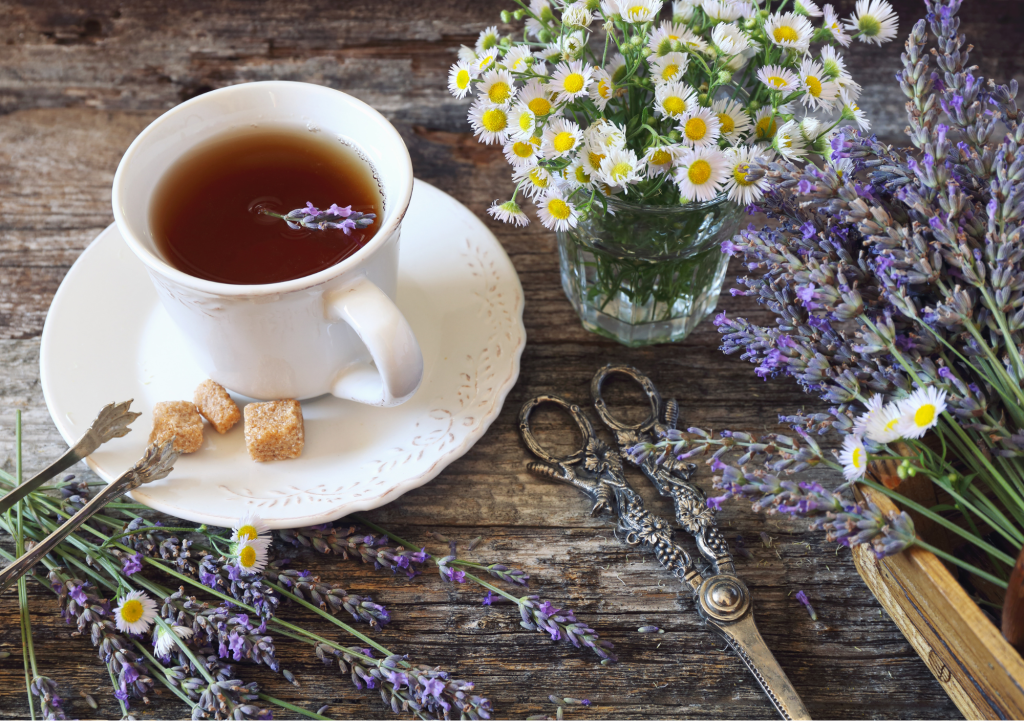
There is no single right way to prepare your tea. A simple tea bag can be an act of ease, especially on a busy morning when time feels tight. Placing it in your favourite cup and watching the water change colour can still offer a moment of quiet focus. For those who enjoy a slower approach, blending your own loose leaves with dried herbs and flowers adds another layer of intention. You might combine black tea with rose petals, green tea with jasmine, or create a calming mix of chamomile, lavender and lemon balm. Measuring, mixing and storing your blend turns the ritual into something creative and personal. Whether you reach for a ready made bag or craft your own infusion, what matters most is the care and attention you bring to the cup.

Wellbeing often begins with awareness. When you boil the kettle and listen to the rising hum, you are invited to notice sound. When you measure the leaves and watch them unfurl, you practise patience. When you hold a warm cup in both hands, you feel texture and heat. These small sensory experiences draw the mind away from racing thoughts and back into the body. They remind us that this moment is enough.

Taking time for tea also offers a boundary. It is a defined pause in a day that might otherwise blur into tasks and obligations. You might decide that your tea ritual lasts ten minutes. During that time you do not scroll, answer messages or plan ahead. You simply sit. The world continues without your input. This can feel uncomfortable at first, yet it is deeply restorative. Rest is not laziness. It is maintenance for the mind and nervous system.

There is also something powerful about repetition. A daily tea ritual builds a rhythm that the body learns to trust. Just as the scent of lavender can signal sleep, the aroma of your chosen tea can signal calm. Over time the ritual itself becomes a cue for slowing down. Even on difficult days the familiar sequence of kettle, cup and first sip can steady you.

Tea rituals can be solitary or shared. Alone, they offer a private sanctuary. With others, they create a container for conversation. When we sit across from someone with cups between us, the pace naturally softens. There is time to listen fully. There is time to respond with care. In this way tea supports not only individual wellbeing but collective wellbeing.

You do not need rare leaves or special equipment to begin. Choose a tea you enjoy. Select a cup that feels good in your hands. Clear a small space on a table. As you prepare your drink, move a little more slowly than usual. Breathe in the steam. Notice the colour of the liquid. Take the first sip without distraction. Allow yourself to be exactly where you are.

In giving a few unhurried minutes to tea, you practise giving time to yourself. You affirm that your inner life matters as much as your output. You learn that nourishment can be simple and that wellbeing can be woven through the most ordinary acts. The ritual does not remove the demands of modern life, yet it changes how you meet them. With a warm cup in hand and a steady breath, you return to your day more centred, more present and more able to move at a human pace.

Morning Glow

Ingredients (makes 1 cup):

  • 1 tsp dried ginger
  • 1 tsp lemongrass
  • ½ tsp cinnamon chips (or a small cinnamon stick)
  • ½ tsp dried orange peel
  • Optional: honey to taste

Steep: 5–7 minutes

Flavor: Citrusy, warming and gently spiced with a naturally uplifting aroma.


Sweet Dreams

Ingredients (makes 1 cup):

  • 1 tsp chamomile
  • 1 tsp jasmine flowers
  • ½ tsp lavender buds

Steep: 5–7 minutes

Flavor: Soft, floral and soothing.


Heart Bloom

Ingredients (makes 1 cup):

  • 1 tsp rose petals
  • 1 tsp hibiscus
  • 1 tsp chamomile
  • ½ tsp cinnamon
  • Optional: a drizzle of honey

Steep: 5–7 minutes

Flavor: Floral, gently tart and warmly spiced.

Finding Wellbeing in Small Spaces

For years, when I lived in London, I didn’t have an outdoor space of my own. There were shared grounds, neatly maintained by landscapers — always tidy, always clipped — but never mine.

That said, I’ve always needed plants around me.

My London flat was absolutely full of them. Every windowsill, shelf and sunny corner hosted something green and growing. Trailing vines over the mezzanine, structural leafy plants wherever the fit, tiny pots lined up bookshelves. Tending to them was my ritual — watering days, wiping leaves, rotating pots to chase the light. Even without a garden, I built my own indoor jungle. That part of me hasn’t changed at all.

What I didn’t realise then was that one day I’d have both.

When I moved north, I swapped city pavements for space — and bought a Victorian property that hadn’t been touched stylistically since what felt like the 80s. My first summer was devoted entirely to the inside renovation. I poured myself into transforming it into my sanctuary with a theme I like to call ‘Mid-century Witch’ — I freshened up the paint on some of the textured 70’s wallpaper and kept the amazing 70’s built-in wardrobes but everything else was completely stripped and replaced. Once the renovation was done, it was filled with all of my 70’s furniture, plants, crystals and candles. It was creative, exhausting, and completely immersive.

By the second summer, my focus shifted outdoors.

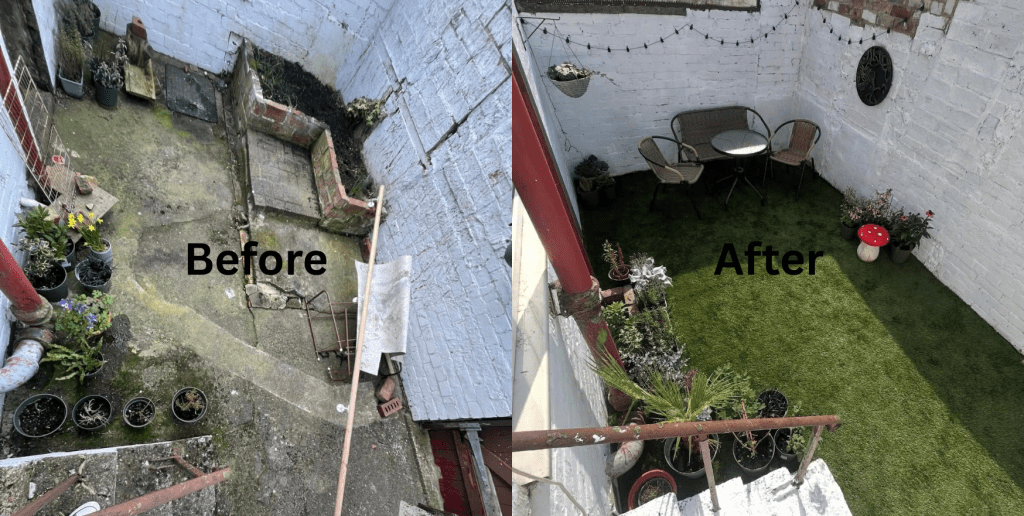
The “yarden” (yard + garden) I moved into was honestly, a concrete eyesore. Uneven slabs, a crumbling wall, very little life. It felt overwhelming at first — another major project to tackle. I brought professionals in to level the ground and secure the falling wall (some jobs are better left to experts), but once the bones were sorted, I pulled on my overalls and picked up a paintbrush.

Freshening the walls myself was unexpectedly therapeutic. Repetitive strokes. Visible progress. A sense of reclaiming.

For ease, I opted for astroturf as a base. After a year of renovation chaos, I wanted something low-maintenance underfoot.

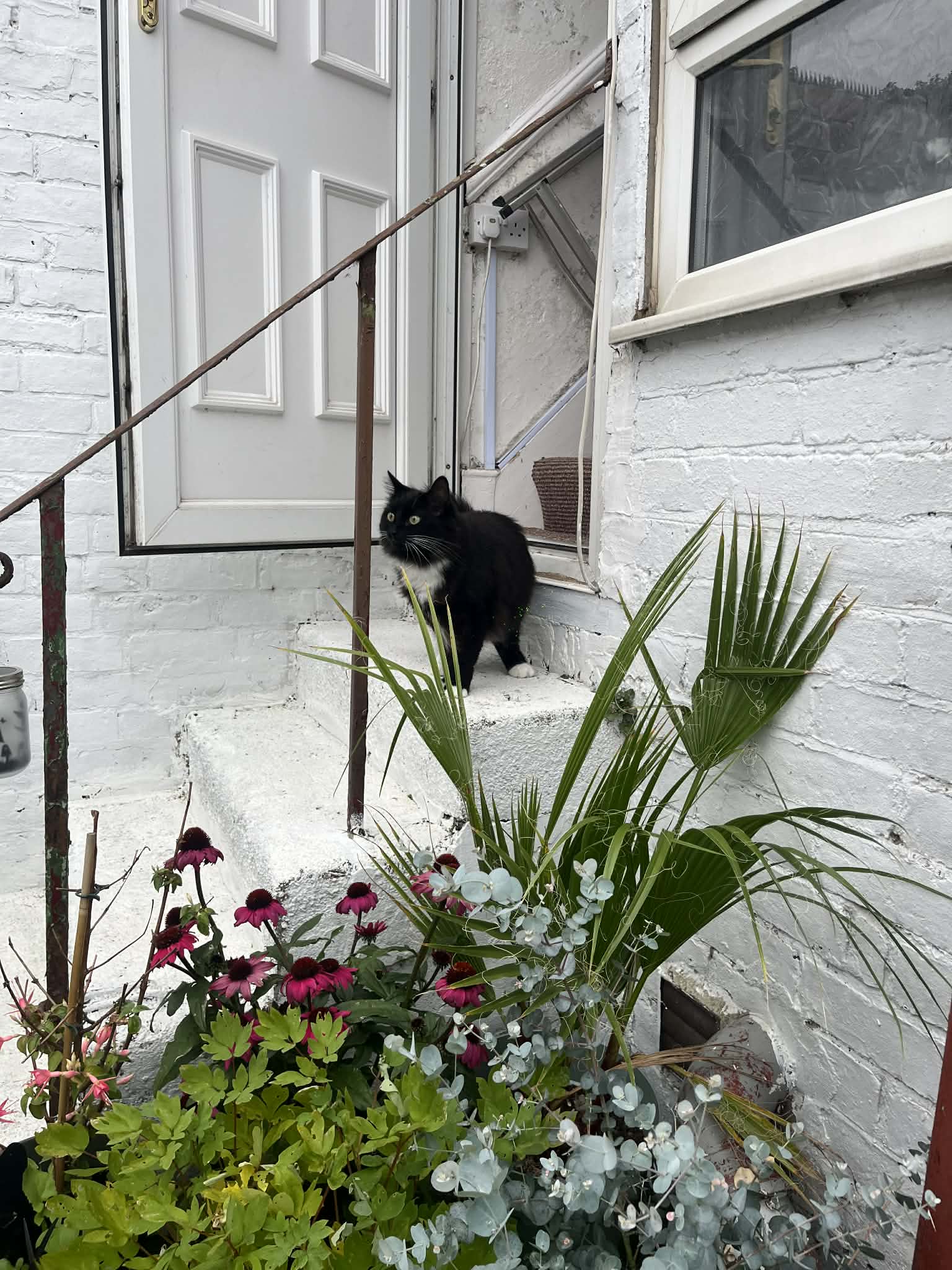
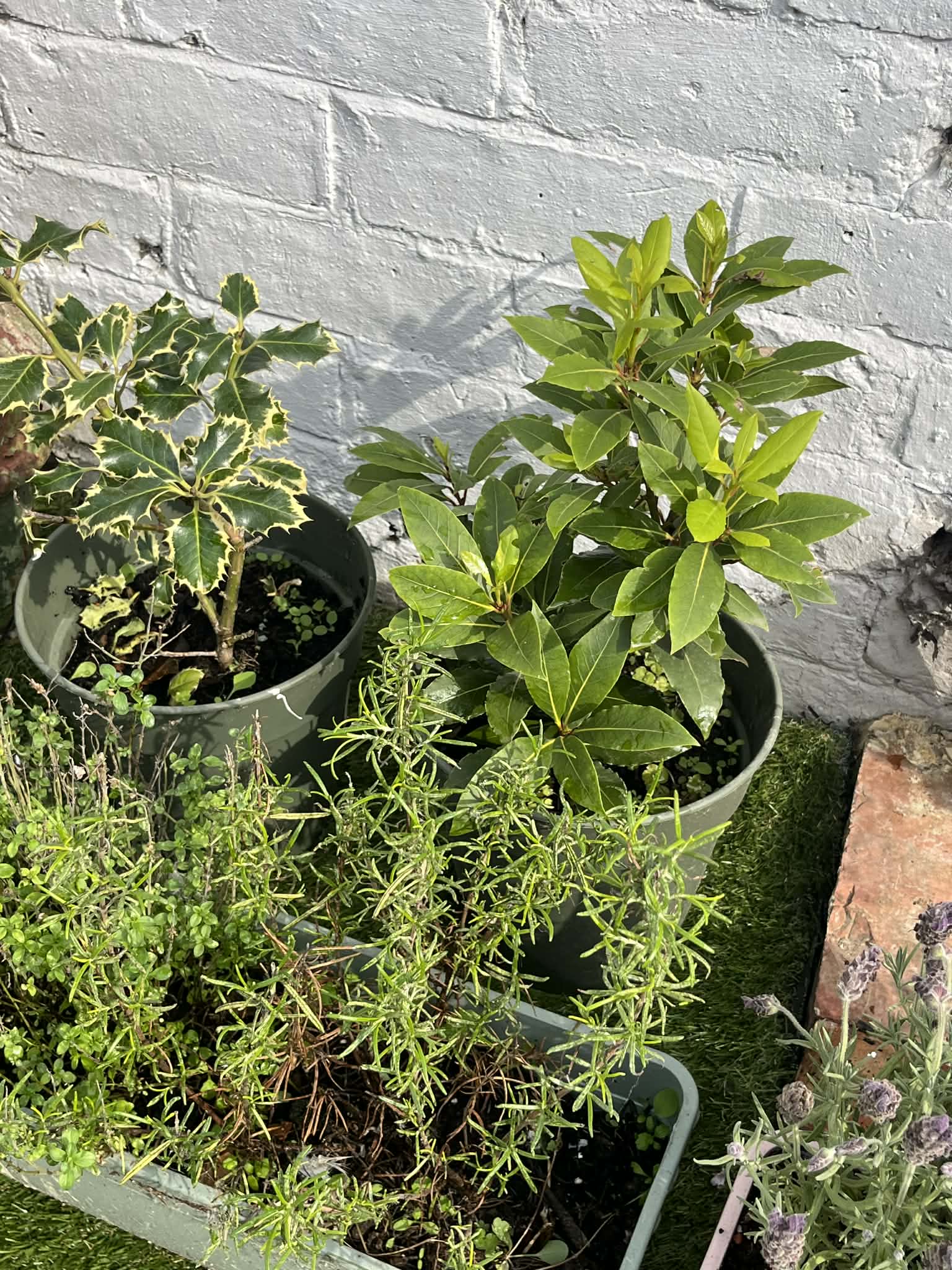
Then I got carried away with pots. Herbs for cooking. Shrubs for structure. Flowers for colour and softness. I added fairy-lights, wind chimes, fairy and toadstool ornaments and before long, the concrete yard had transformed into a textured little haven. And just like that, I’d extended my love of indoor plants into the open air.

I was surprised by how much I loved going out to potter — weeding, tidying, deadheading, watering in the early morning light. Gardening slows you down in a way indoor plant care only hints at. It connects you to seasons rather than just schedules.

By the end of last summer I just had time to squeeze in a couple of vegan BBQs, sitting among the pots as the light softened before Autumn arrived. It felt deeply satisfying to be in a space I’d shaped with my own hands. The yarden wasn’t huge or traditionally “garden-like,” but it was alive.

Once the temperature dipped, I assumed that connection would fade. But even in winter, there was something grounding about it. The holly berries shone against grey skies — small, defiant pops of colour. Structure remained even when blooms disappeared.

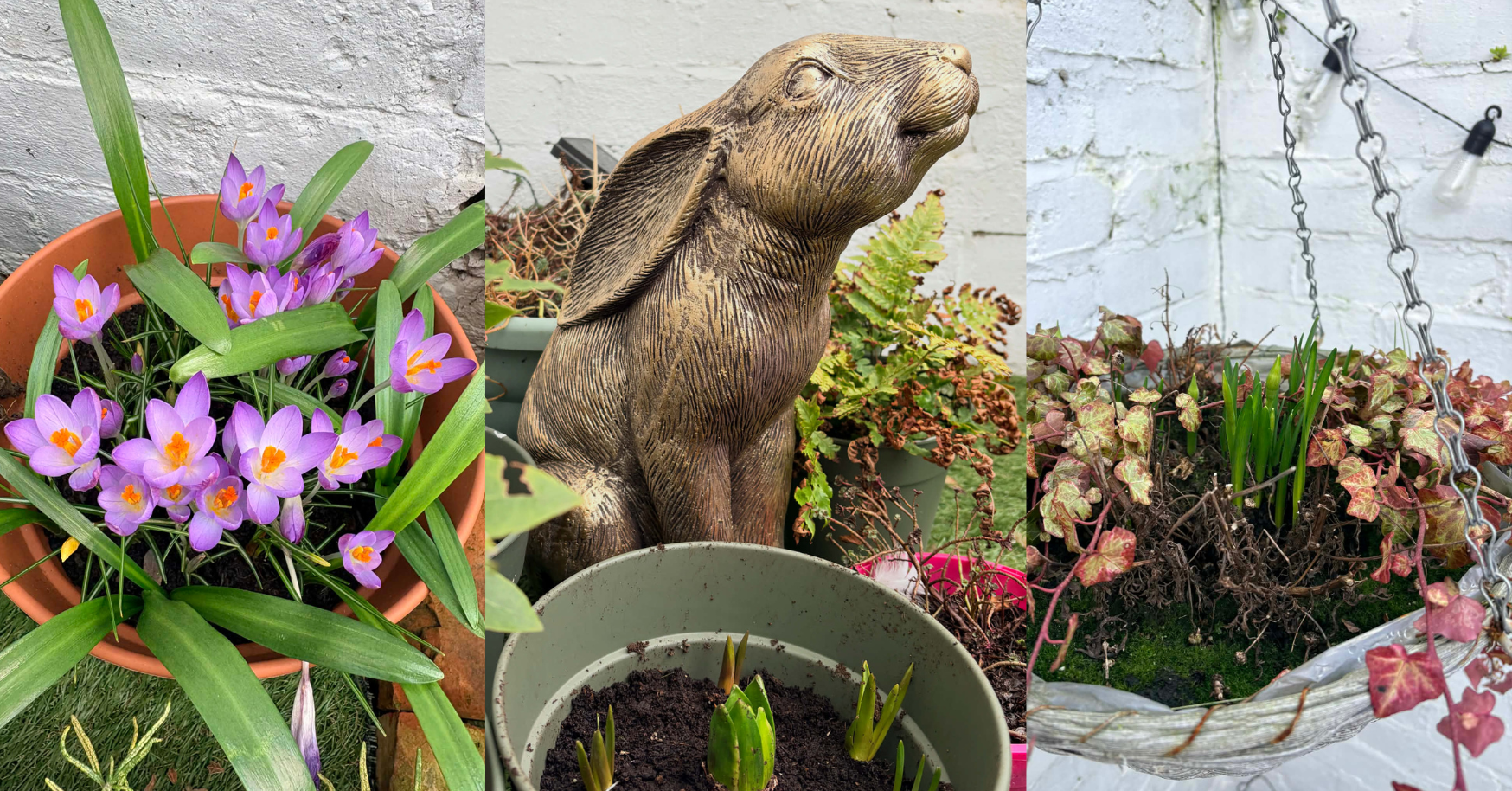
Now, as spring edges closer, I’m noticing the quiet return of growth. The bulbs I planted last year are pushing through the soil in their pots. Tiny green shoots breaking the surface. My aquilegia is already showing leaves — determined, resilient.

Inside, my home is still filled with plants, just as it was in London. But now, alongside the indoor jungle, I have the yarden too. I have somewhere to step outside barefoot. Somewhere to notice the shift in air temperature. Somewhere to mark time by what’s emerging from the soil.

Gardening for wellbeing isn’t about perfection or scale. It’s about participation. It’s about nurturing something and being nurtured in return. It’s about having your hands in the soil and your mind momentarily quiet.

For someone who once only had windowsill gardens in London, having both an indoor sanctuary and an outdoor haven feels quietly extraordinary.

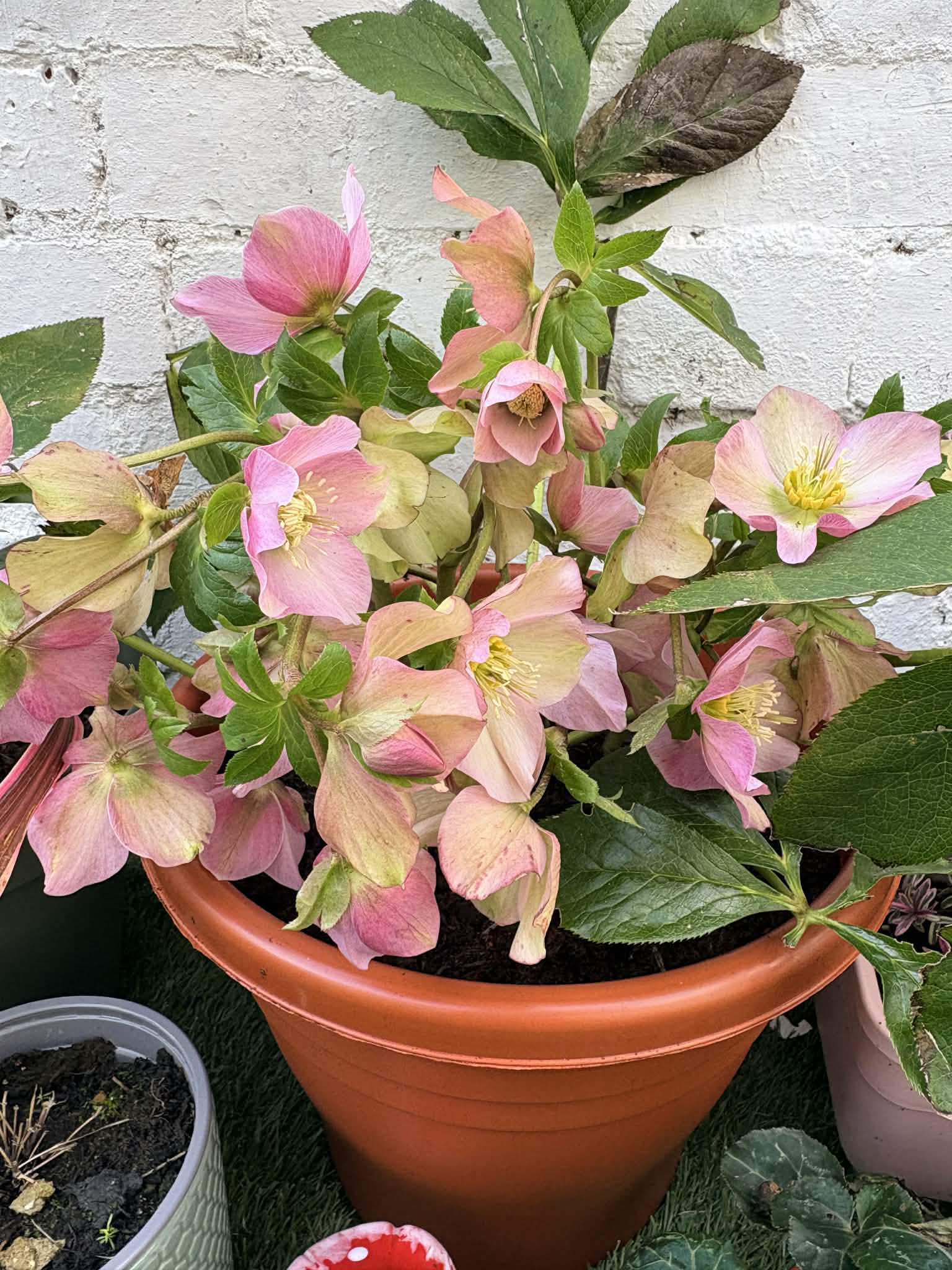
Where I once couldn’t walk past a plant shop without adding “just one more” to my indoor collection, I now seem to have developed the same weakness for garden centres. Winter gave my bank balance (and the yarden) a brief pause, but with the first hint of spring I was back at it. It’s only February and I’ve already added a new shrub and a hellebore and a luna hare ornament to the mix — because apparently restraint doesn’t apply to plants. I can already see how this is going to go: by midsummer I’ll be rearranging pots like a game of botanical Tetris, insisting there’s no such thing as too many plants…

This spring, I’m not just watching things grow.

I’m growing with them.

Winter Hiking Necessities

Winter walks hold a different kind of magic.

The trees are bare. The air feels sharper. The paths are quieter. There is space to think, breathe and simply be. Even on grey damp days, winter hiking has a grounding quality that feels almost medicinal.

But winter asks for a little more care.

Cold, mud and shorter daylight hours mean preparation becomes even more important. Not to overcomplicate the walk, but to keep it safe, warm and enjoyable.

Here are my winter hiking essentials to support body and spirit through the colder months.

Phone

Usually I’d recommend disconnecting from technology when you’re out in nature – however, when you’re hiking, your phone is more than something to check messages on. On a winter hike it becomes your map, your emergency contact, your torch and your reassurance if you need it.

It is also your camera, ready to capture frost on hedgerows, dramatic skies over the coast or that quiet moment of winter light breaking through the trees.

But do try to stay off social media during your hike so that you can be fully present.

OS Maps App

Winter paths can look different. Frost hides trail edges. Fallen leaves disguise direction. Fog rolls in unexpectedly.

The OS Maps app is incredibly helpful for checking routes, elevation and footpaths. Knowing exactly where you are allows you to relax rather than worry.

Confidence in your navigation keeps your nervous system calm which is exactly what winter walking should encourage.

Battery Pack

Cold weather drains phone batteries quickly. Much faster than in summer.

Your phone is your map, your emergency contact and your light if the day fades earlier than expected. A lightweight battery pack offers reassurance.

Winter daylight is shorter. Preparation brings peace of mind.

Compeed

Blisters in winter are worse. Wet socks and damp boots can quickly turn a small rub into a painful distraction.

Don’t scrimp on blister plasters. Buy Compeed rather than generic, the sticky is much more reliable and if you pop them on the moment you start feeling you start to feel your boots rub, they will allow you to keep on walking comfortably.

Dry comfortable feet change everything.

Properly Broken In Waterproof Boots

Winter is not the season to test new footwear.

Your boots should already be broken in and ideally waterproof. Mud, puddles and unexpected boggy patches are part of the adventure.

Cold wet feet drain your energy quickly. Warm supported feet allow you to stay present and enjoy the landscape.

Pair your boots with good thick socks and always pack a spare pair if you’re heading out for longer.

I’ve tried and tested many walking shoes/boots over the years from expensive to budget and always vegan. Personally, I prefer shoes which may not offer the ankle support that you get from boots, but I always feel boots rub the backs of my legs. Maybe it’s the way I walk… At the moment, I’m wearing Gelert shoes which have been comfortable from the off, and at the low price, I don’t mind replacing them frequently.

Muddy boots are a sign of a good hike!

A Packed Lunch Or Emergency Sandwich

Winter air burns energy faster than we realise. The body works harder to stay warm.

Even if you’re planning a shorter walk, pack food. It doesn’t necessarily have to be a full blown picnic, just a thermos of soup will feel like pure luxury halfway through a chilly route.

At the very least, pack an emergency sandwich and a flask of tea. Having something warm to sip while overlooking a winter view feels grounding and deeply nourishing.

A Roll Of Poo Bags – Practical Magic

A small roll of dog poo bags is one of the simplest but most useful things you can carry – even if you don’t have a dog.

Why? I hear you ask…

Keeping your phone dry in sudden rain
Storing muddy gloves
Seasonal foraging
Collecting treasure
Taking rubbish home

They weigh almost nothing and solve so many little problems.

Layering And Warmth

Winter hiking is all about layers.

Start slightly cool so you don’t overheat too quickly. Add layers when you stop. Always carry a warm jumper or insulated jacket even if the forecast looks mild.

Hat, gloves and a scarf can transform a cold windy stretch into something manageable.

Staying warm is not about toughness. It is about respecting the season.

Waterproofs

Make sure you have waterproofs in your bag. Winter weather is unpredictable and a clear sky can shift to sideways rain before you’ve reached the next gate. A good waterproof jacket is not optional, it is essential. Look for something properly breathable so you don’t overheat underneath and always pack waterproof trousers if you’re heading out for longer routes. Staying dry is not about comfort alone. Once you’re wet the cold settles in quickly and drains your energy. A lightweight waterproof layer in your bag means you can walk through rain showers with ease rather than cutting your hike short. There is something quietly empowering about being prepared for the elements instead of battling them.

Little Extras

Beyond the practical essentials, there are always a few extras in my bag.

A few small crystals for grounding or protection.

A small nature guide book for identifying trees, plants, birds or wildlife along the way.

My dad’s classic Swiss Army knife for those tiny unexpected moments when I need a blade, scissors, bottle opener or nail file.

A small bag of bird seed – because I like to try and befriend the crows…


Don’t wait for the Spring

Cold, sunny hikes are beautiful and with fewer people on the paths, the landscape feels more intimate. It’s just you and nature.

Heart-Centered Rituals : Honouring Love in All Forms

February has a way of shining a spotlight on love.

Shop windows turn pink and red. Supermarket aisles fill with roses and chocolates. Social media becomes a collage of candlelit dinners and grand gestures. And while there’s nothing wrong with celebrating romance, this time of year can quietly bring pressure — especially if your life doesn’t fit the postcard version of Valentine’s Day.

But love is far bigger than one day.
And far wider than one relationship.

February, sitting gently at the edge of winter, is actually a beautiful time to turn inward and honour love in all its forms — self-love, friendship, community, compassion, and even the quiet love we hold for the earth beneath our feet.

This month, instead of asking “Who is loving me?”
Try asking, “Where is love already present in my life?”


Returning to the Heart

In energy traditions, the heart centre is associated with compassion, connection, balance, and openness. It’s the space where giving and receiving meet.

Winter can sometimes make us feel closed — physically hunched against the cold, emotionally retreating in darker days. February offers a gentle invitation to soften again.

You don’t need dramatic rituals. Just small, intentional pauses that reconnect you to warmth.


A Simple Heart-Opening Ritual

Choose a quiet evening. Light a candle. Wrap yourself in a blanket. Place one hand over your heart.

Take a few slow breaths and simply notice:

  • How does your heart feel today?
  • Is there tenderness there?
  • Is there tightness?
  • Is there gratitude?

Whisper inwardly:
I honour the love that lives within me.

Stay for a few minutes. Let it be simple.


Honouring Self-Love

Self-love doesn’t have to mean bubble baths and affirmations (though it can). Sometimes self-love looks like:

  • Saying no when you’re tired
  • Logging off early
  • Cooking yourself something nourishing
  • Booking the appointment you’ve been putting off
  • Letting yourself rest without guilt

Consider one small act of devotion toward yourself each week. Not to improve yourself. Just to care for yourself.

That is enough.


Celebrating Friendship

Romantic love often takes centre stage this month, but friendship is one of the most sacred forms of love we have.

Reach out to a friend just because.
Send a message of appreciation.
Share tea.
Take a rainy walk together.


Loving the Earth in Winter

Even in February, the earth is quietly preparing for renewal. Buds are forming unseen. Roots are strengthening below the surface.

Take a mindful walk and notice:

  • The softness of moss
  • The pattern of bare branches
  • The quiet resilience of winter light

Place your hand on a tree. Thank the earth. Let love expand beyond human relationships.

As winter slowly begins to loosen its grip, February offers us a threshold moment — a space between darkness and the first hints of spring.

It’s a beautiful time to tend the heart gently.

Not with pressure.
Not with expectation.
But with warmth.

Honour love in all its forms — the love you give, the love you receive, the love you are still learning to hold.

Listening to the Rain: Nature’s Healing Sound Bath

Another post about the rain – because let’s face it, there has been a lot of it recently and there’s no sign of it stopping any time soon…

There’s something quietly magical about rain. Its steady rhythm, the gentle patter against windows, the soft swish of puddles underfoot — it’s a sound that invites stillness, reflection, and deep presence. In the busy, noisy pace of life, rain reminds us that nature itself is a healer, offering its own frequencies to soothe the mind, body, and spirit.

Winter in the UK can feel heavy — short days, endless drizzle, and the kind of quiet that sometimes feels like being trapped indoors. But the rain is not just weather, it’s a natural sound bath, a symphony of subtle vibrations that can calm, balance and restore.

I personally love nothing more than being curled up in bed, listening to the rain on the sky light windows,


The Healing Frequencies of Water

Water has a unique way of resonating with us. Its sound carries frequencies that naturally influence our nervous system, encouraging relaxation and presence. Think of it as the earth’s own gentle energy medicine.

  • The steady rhythm of rainfall can slow the breath and quiet the mind.
  • The varying textures of drops — soft mist, tapping rooftops, splashing puddles — create a subtle meditation for the senses.
  • Flowing water, streams, and rivers carry a continuous hum that many traditions associate with life force energy.

Across cultures, humans have always recognised water as sacred. From river chants in India, to temple water rituals in Japan, to European folk rain ceremonies, water’s sound has been used to restore energy, cleanse, and harmonise. Listening deeply to water is, in essence, listening to life itself.


Rain as a Natural Sound Bath

A sound bath is not just bowls, chimes, or frequencies — it can be found in the world around us. Rain becomes a natural, ever-present instrument:

  • Close your eyes and tune into the layers of sound — the distant drizzle, the heavy drops, the gentle trickle along gutters.
  • Notice how your body responds — does your chest soften? Your jaw unclench? Your shoulders drop?
  • Let your mind follow the rhythm without controlling it. Each drop is a note, a tiny vibration that moves through you.

This practice is not about achieving anything. It’s about receiving, letting the rain’s frequencies support your nervous system and open space for rest.


How to Bring the Rain Sound Bath Indoors

If the weather is too harsh, you can still enjoy water’s healing frequencies at home:

  • Play recordings of rainfall or flowing streams while you rest or meditate.
  • Use a rain stick to mimic the layers and richness of natural water sounds.
  • Close your eyes and visualise the rain washing over you, clearing stagnant energy and inviting calm.

Even five minutes of mindful listening can leave you feeling lighter, calmer and more connected to yourself.


When we slow down to listen — to the patter, the rhythm, the frequencies — we tap into a natural, gentle energy medicine. This is the essence of sound alchemy: noticing the vibrations all around you and letting them support your well-being, quietly and deeply.

So next time the sky darkens and the drizzle begins, pause. Listen. Breathe. Let the rain wash over your energy and invite stillness.

Moon Phases & Manifestation: Working With the Lunar Cycle

The moon has guided humans for thousands of years — shaping tides, crops, rituals and inner rhythms. Long before manifestation became a buzzword, people understood that the moon reflects cycles of growth, rest, release, and renewal.

Manifestation, when viewed through a lunar lens, isn’t about forcing outcomes. It’s about listening, aligning, and moving in rhythm with natural cycles — including your own.

The moon reminds us that nothing is meant to be constant. Not energy. Not motivation. Not clarity. And that’s where its real magic lies.


Manifestation as a Cycle, Not a Command

Modern manifestation culture often focuses on the end result — what you want to call in. Lunar manifestation invites something gentler: presence at every stage of becoming.

Each moon phase holds a different quality of energy. When you work with these phases, manifestation becomes less about control and more about cooperation.


🌑 New Moon — Intention & Possibility

The new moon is a time of darkness and quiet. Nothing is visible yet, and that’s the point.

This phase supports:

  • planting seeds
  • setting gentle intentions
  • listening inward

Rather than asking “What do I want?”, try asking:

  • What feels ready to grow?
  • What am I being invited into?

New Moon practice:
Light a candle, take a few deep breaths, and write 1–3 intentions that feel nourishing rather than demanding. Let them be spacious. Let them breathe.


🌒 Waxing Moon — Nurture & Momentum

As the moon begins to grow, so does energy. This is a phase of gentle action and support.

This phase supports:

  • taking small aligned steps
  • building momentum
  • trusting the process

Think of this as tending the soil, not forcing the plant.

Waxing Moon practice:
Ask yourself, What one small action supports my intention this week?
Then do only that.


🌕 Full Moon — Illumination & Release

The full moon is often associated with heightened emotion and clarity. It illuminates what’s working — and what isn’t.

This phase supports:

  • release
  • emotional awareness
  • truth and reflection

Manifestation here isn’t about adding more — it’s about letting go.

Full Moon practice:
Journal on what feels heavy, outdated, or misaligned. You can release through writing, and if it feels right, tear it out and burn safely. There is no right way.


🌘 Waning Moon — Rest & Integration

As the moon begins to fade, energy turns inward again. This phase is often overlooked but it’s essential.

This phase supports:

  • rest and recovery
  • integration
  • reflection without judgement

Growth doesn’t happen only in motion — it happens in rest.

Waning Moon practice:
Slow your pace. Clear your space. Let yourself be quieter. Trust that nothing is being lost.


Manifestation Without Pressure

You don’t need to work with every moon.
You don’t need perfect rituals.
You don’t need to manifest constantly.

The moon teaches us that being receptive is just as powerful as being intentional.

Some months you may feel deeply connected to the lunar cycle. Other months, you may simply notice the moon in the sky and feel something soften. Both are enough.


A Gentle Reminder

Manifestation isn’t about bending the universe to your will.
It’s about remembering that you are already part of its rhythm.

When you work with the moon, you’re not asking for magic —
you’re allowing it

The Subtle Magic of Energy Healing

Energy healing often feels like something modern, niche or mystical — but in truth, it’s ancient. Long before we had clinical language or scientific instruments, human beings understood that life itself moves through us as energy. Different cultures gave it different names, but the understanding was the same: there is an invisible current that animates the body, mind and spirit.

Energy healing isn’t about belief or special powers. It’s about remembering something humanity has always known.


A Shared Ancient Understanding

Across ancient civilisations, there was a quiet agreement: life force flows through everything.

  • In Japan, it’s known as Ki — the vital energy that Reiki works with.
  • In China, it’s called Chi (Qi) — the life force that flows through meridians in Traditional Chinese Medicine.
  • In India, it’s Prana — the breath of life carried through the chakras and the breath.
  • In Ancient Egypt, it was known as Ka or Ba — aspects of the soul and life essence that continued beyond the physical body.
  • In Ancient Greece, Pneuma referred to the vital spirit or breath that animated life.

Different words. Different systems.
The same felt truth.

Every one of these traditions understood that when energy flows freely, we experience balance, vitality, and ease — and when it becomes blocked or depleted, discomfort and disconnection can arise.


Energy Healing as Remembering

Practices like Reiki, Sekhem, sound healing, breathwork, and touch-based therapies didn’t appear out of nowhere. They grew from this shared ancestral knowing.

Reiki, for example, works with Ki — universal life force energy — not something personal or forced, but something intelligent and already present. Sekhem, with roots in Egyptian temple healing, works with a higher vibrational form of life force, often described as deeply heart-led and expansive.

What unites all of these practices is not technique, but intention:

  • to support balance
  • to invite harmony
  • to remind the body how to rest and realign

Energy healing doesn’t do something to you.
It creates the conditions for your system to remember itself.


The Subtlety Is the Magic

Energy healing is rarely dramatic. It doesn’t need to be.

Often, it shows up as:

  • a softening of the breath
  • a feeling of warmth or heaviness
  • a quiet sense of safety
  • a deep, unfamiliar calm

Sometimes it’s barely noticeable in the moment, but lingers afterwards — a little more space inside the body, a little more clarity, a little more ease.

This subtlety is not weakness.
It’s intelligence.

Just as the seasons change gradually, energy shifts gently, layer by layer.


You Don’t Need to “Believe” to Receive

One of the most beautiful things about energy healing is that it doesn’t ask anything from you.

You don’t need to:

  • understand chakras
  • visualise perfectly
  • believe in anything specific

Your body already knows how to respond to rest, care, and gentle attention.

Energy healing simply offers a pause, a moment where the nervous system can settle and the body can exhale.


A Quiet Thread Through Time

When you receive or explore energy healing, you’re not engaging in something new or separate. You’re stepping into a long, human lineage — one that stretches across continents and centuries.

From temples and medicine huts to quiet modern rooms, the intention has always been the same: to support wholeness, balance and connection.

That is the subtle magic of energy healing.
Soft. Ancient. Still quietly working — just as it always has

Rainy Day Rituals: Mindfulness & Self-Care for February

It’s been non-stop rain here in the UK lately, hasn’t it? All grey skies, damp air and endless drizzle? Maybe I’m feeling it more-so since I moved to the North-East but the feeling of being a trapped indoors can start to weigh on the spirit. But what if, instead of resisting this season, we leaned into it? What if the rain, the quiet, and the cocooning of winter could become a gentle invitation to pause, to breathe, and to reconnect with ourselves?

Winter is naturally a season of reflection and stillness. It’s a time for slowing down, tending to your inner life, and noticing the small, often-overlooked joys around you. Here’s how to embrace the rainy season and turn your home into a cosy sanctuary for mindfulness and presence.


Create Your February Sanctuary

Your home can be more than a shelter from the storm — it can be a sacred space that nourishes your mind, body, and soul. Here are some gentle ways to transform your space:

  • Soft Lighting: Switch harsh overhead lights for candles, fairy lights, or warm lamps. The flicker of light in the rainy season feels grounding and calming.
  • Textured Comfort: Layer throws, cushions and soft rugs to create cosy corners where you can curl up with a book and a cup of tea.
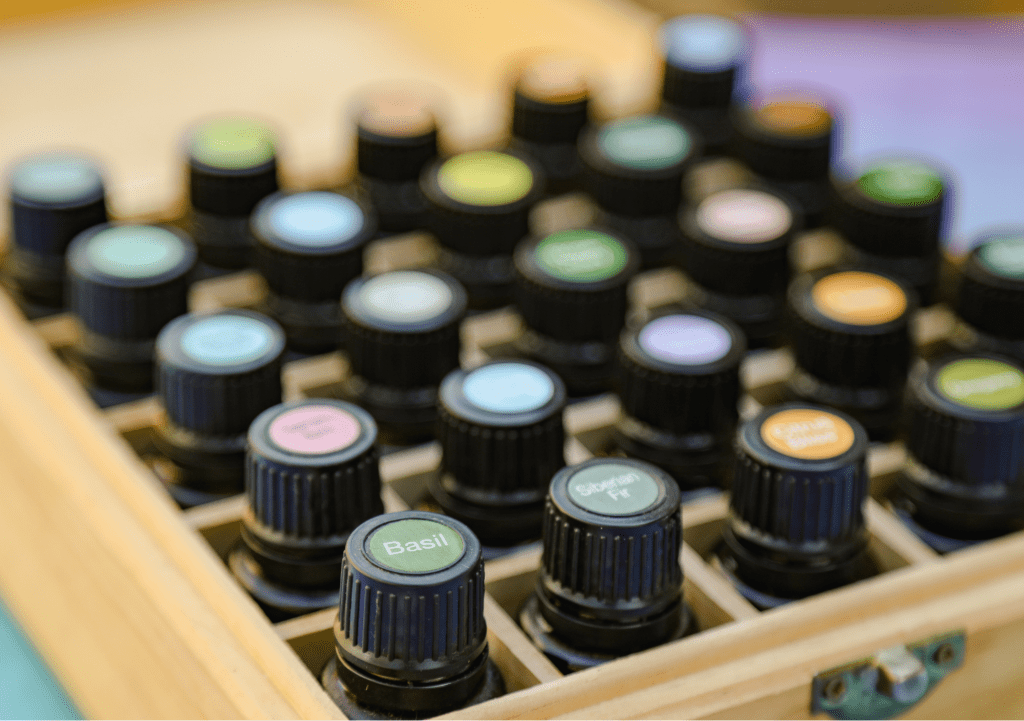
  • Scent & Aroma: Use essential oils like lavender, cedarwood or sweet orange to create an aromatic cocoon. Diffusers or simple cotton pads infused with oils can transform your space instantly.
  • Natural Elements: Bring the outside in — a branch from a walk, a small pot of winter greenery or even a bowl of smooth stones can remind you of the rhythm of nature.

Practicing Winter Mindfulness

Mindfulness isn’t about forcing calm; it’s about noticing what’s already here. Even the rain can become a meditation if we allow ourselves to see it with fresh eyes.

  • Notice Small Joys: A steaming mug of tea, the scent of damp earth, the quiet rhythm of raindrops on your window. These small moments anchor us in the present.
  • Grounding Meditation: Sit or lie comfortably. Close your eyes and take deep breaths, imagining roots growing from your feet into the earth. Feel the stability beneath you, the solid presence that the rainy season is offering.
  • Gentle Movement: Stretch or sway to your breath. Feel the body waking gently, each movement a little prayer of presence. Even five minutes can shift your energy.
  • Sensory Awareness: Listen to the rain, notice the texture of your blanket, or the warmth of a cup in your hands. Engage fully with the senses — this is your body’s way of returning to now.

Embrace the Rainy Season

The rain doesn’t need to be an obstacle. You can open a window, feel the cool mist on your skin, and let it remind you of life’s rhythms — the ebb and flow, the pause before growth. Winter teaches patience, reflection, and rest. By creating your sanctuary and embracing mindfulness, you transform what could feel like confinement into a season of inner richness.

  • Take a slow walk with a waterproof coat, noticing the sounds, smells, and textures of winter.
  • Brew herbal tea and sit with it in stillness, letting your mind rest between sips.
  • Light a candle each evening and dedicate a moment to yourself — no screens, no distractions, just presence.

Winter is often misunderstood as a time to endure. But in truth, it is a sacred pause — a chance to realign with yourself, notice the subtle beauty in small things and nurture your body, mind and soul. Let the rain wash over the stress and hurry of everyday life and allow the quiet days to become a gentle invitation to mindfulness.

Your February sanctuary is waiting. Step inside, breathe deeply and let stillness become your companion.

“The way I see it, if you want the rainbow, you gotta put up with the rain.” — Dolly Parton

The Heart Chakra: Healing, Balance & the Energy of Love

The heart chakra, known as Anahata, sits at the centre of the chakra system and acts as a powerful bridge between the lower, physical chakras and the higher, spiritual ones. It governs our ability to love — not only others, but ourselves — and shapes how we experience compassion, connection, forgiveness and emotional balance.

When the heart chakra is open and balanced, we feel emotionally secure, connected and able to give and receive love freely. When it is blocked or imbalanced, we may struggle with relationships, boundaries, grief or self-worth.


Understanding the Heart Chakra

  • Location: Centre of the chest
  • Colour: Green (also pink)
  • Element: Air
  • Associated organs: Heart, lungs, thymus, circulatory system
  • Emotional themes: Love, compassion, trust, forgiveness, empathy, connection

Anahata translates to “unstruck” or “unhurt”, symbolising a place within us that remains whole and untouched by pain, even after life’s challenges. This chakra invites us to return to that space of openness and unconditional love.


Signs of a Balanced Heart Chakra

When the heart chakra is in harmony, you may experience:

  • Healthy, loving relationships
  • Emotional balance and inner peace
  • Compassion for yourself and others
  • Strong boundaries without guilt
  • A sense of belonging and connection

You are able to love openly while remaining grounded in self-respect and emotional safety.


Signs of a Blocked or Imbalanced Heart Chakra

An imbalanced heart chakra can show up in many ways, including:

  • Difficulty trusting or opening up
  • Fear of intimacy or vulnerability
  • Holding onto past grief, heartbreak, or resentment
  • People-pleasing or over-giving
  • Low self-worth or emotional numbness

Physically, it may manifest as tension in the chest, shallow breathing, or heart and lung-related discomfort.


Emotional Healing & the Heart Chakra

The heart chakra holds our emotional history — love, loss, joy, grief and everything in between. Healing this chakra often requires gentleness, patience and self-compassion.

Heart healing is not about erasing pain, but about allowing emotions to move through us rather than becoming stored in the body. Practices such as reiki, sound healing, breathwork, and meditation can be deeply supportive in releasing old emotional patterns and restoring energetic flow.


Crystals for the Heart Chakra

Crystals can help support heart chakra healing by gently influencing the emotional and energetic body. Some powerful heart chakra stones include:

  • Rose Quartz – Unconditional love and self-compassion
  • Rhodonite – Healing emotional wounds and forgiveness
  • Amazonite – Emotional balance and heart-led truth
  • Malachite – Deep emotional transformation
  • Green Aventurine – Emotional renewal and optimism

Working with crystals during meditation, energy healing sessions, or daily self-care rituals can help bring awareness and softness to the heart space.


Sound Healing & the Heart Chakra

The heart chakra resonates with the note F and responds beautifully to sound healing. Instruments such as crystal singing bowls, gongs, chimes, and the human voice can help dissolve energetic blocks and encourage emotional release.

Sound healing works by calming the nervous system and allowing stored emotions to surface and release naturally, supporting both emotional and physical heart health.


The Heart Chakra & Self-Love

Self-love is the foundation of heart chakra balance. It’s not about perfection or constant positivity — it’s about meeting yourself with kindness, honesty and acceptance.

Heart-centred self-love includes:

  • Setting healthy boundaries
  • Honouring your emotions
  • Releasing self-judgement
  • Allowing rest and nourishment

The more compassion you offer yourself, the more naturally love flows outward.


Opening the Heart Chakra Gently

Healing the heart is a journey, not a destination. The heart chakra opens gradually, layer by layer, as we learn to feel safe in love again — with ourselves and with others.

Gentle practices such as yoga, meditation, reiki, sound baths, journaling and working with heart chakra crystals can all support this process. Trust that your heart opens in its own time and wisdom.


The heart chakra reminds us that love is not something we need to earn — it is our natural state. When we reconnect with the energy of Anahata, we begin to live from a place of compassion, balance and emotional truth.

May you honour your heart, listen to its wisdom and allow love to flow freely — within and beyond you.